


Bone Density Matters: Protecting Yourself from Fragility
Bone Density Matters: Protecting Yourself from Fragility
Bone health is one of the most overlooked pillars of long-term vitality. Bone density determines mobility, posture, structural strength, and independence — especially after age 40.
If you’re building a long-term wellness strategy, bone protection must be intentional.
Why Is Bone Density So Important?
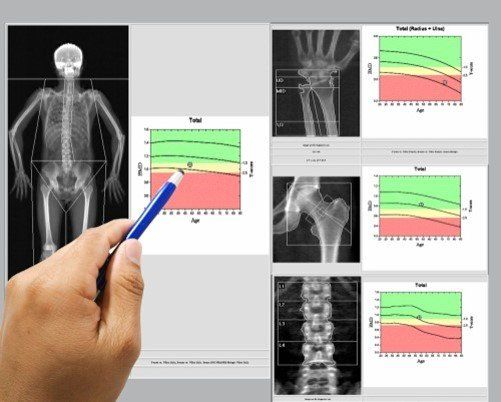
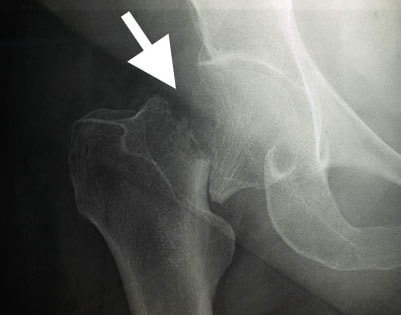
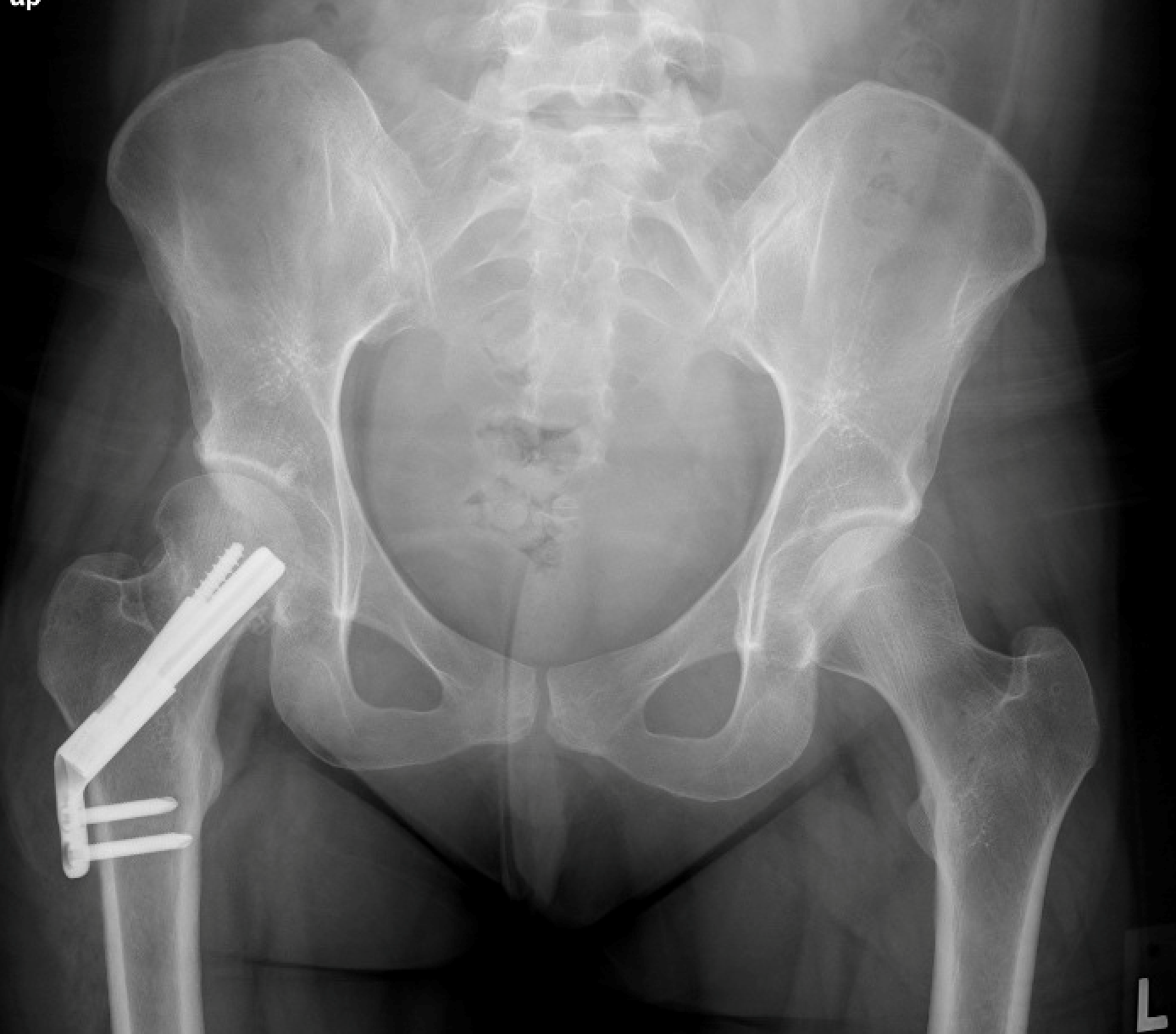
Bone density refers to the mineral content inside your bones. Higher density means stronger, more fracture-resistant bones.
Low density can progress to osteoporosis — a silent condition often discovered only after a fracture.
Strong bone density supports:
Balance and stability
Muscle strength
Injury prevention
Healthy aging
Long-term independence
How Fragile Are Bones with Osteoporosis?
Osteoporotic bone becomes porous and brittle.
Even minor stress can cause:
Hip fractures
Vertebral compression fractures
Wrist fractures from simple falls
Recovery from hip fractures in older adults can be lengthy and life-altering. Prevention is always easier than recovery.
Does Bone Density Affect Strength?
Absolutely.
Muscles pull on bones during movement. That pulling force stimulates bone remodeling. When you lose bone density:
Structural strength decreases
Balance declines
Muscular support weakens
Injury risk increases
Bone is living tissue. It responds to resistance, nutrients, and hormonal balance.
5 Exercises That Increase Bone Density
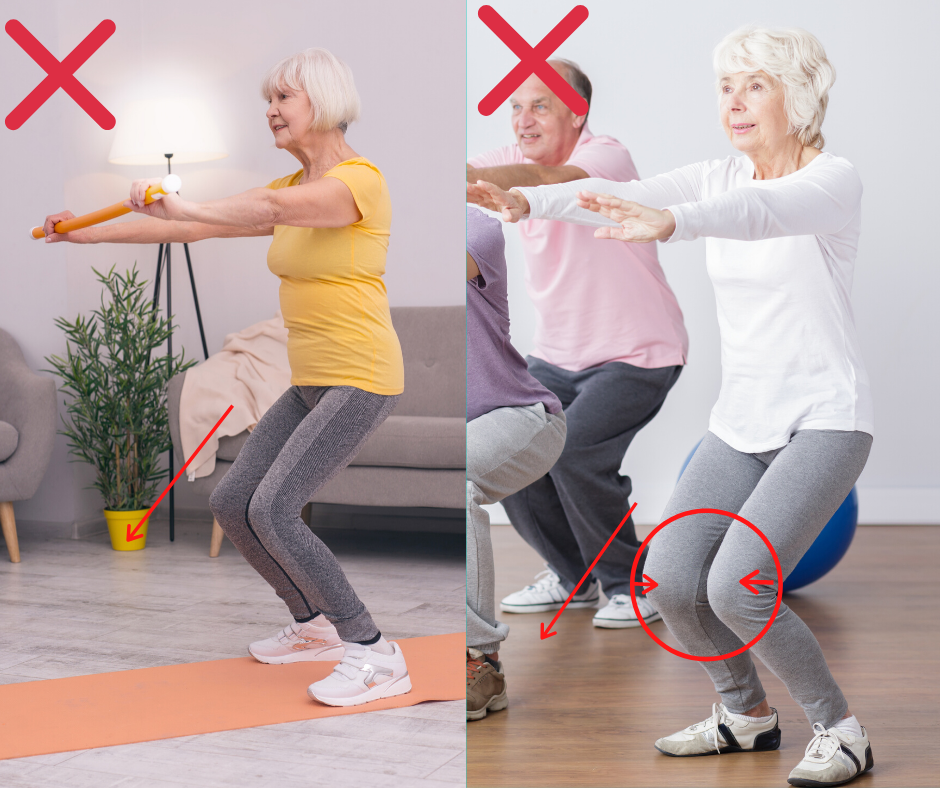




Weight-bearing and resistance exercises stimulate bone growth.
Squats – Strengthens hips and spine
Resistance Band Training – Safe progressive loading
Brisk Walking – Maintains hip density
Light Dumbbell Training – Builds upper body support
Stair Climbing – Strengthens femur and hips
Consistency (3–4x weekly) is more important than extreme intensity.
Supplement + Smoothie Strategy for Bone Density Support
Exercise builds the stimulus. Nutrition builds the structure.
Below is a bone-support protocol aligned with high-quality wellness supplementation strategies.
Core Nutrients for Bone Health
1. Calcium (Structural Mineral)
Provides the primary mineral framework of bone.
2. Vitamin D3
Improves calcium absorption and regulates bone remodeling.
3. Magnesium
Supports calcium balance and muscle function.
4. Vitamin K2
Directs calcium into bones instead of arteries.
5. Collagen + Protein
Provides the matrix framework that minerals attach to.
6. Trace Minerals (Boron, Zinc, Copper)
Assist enzymatic processes in bone formation.
Daily Bone-Building Smoothie (Affiliate-Aligned Blend)

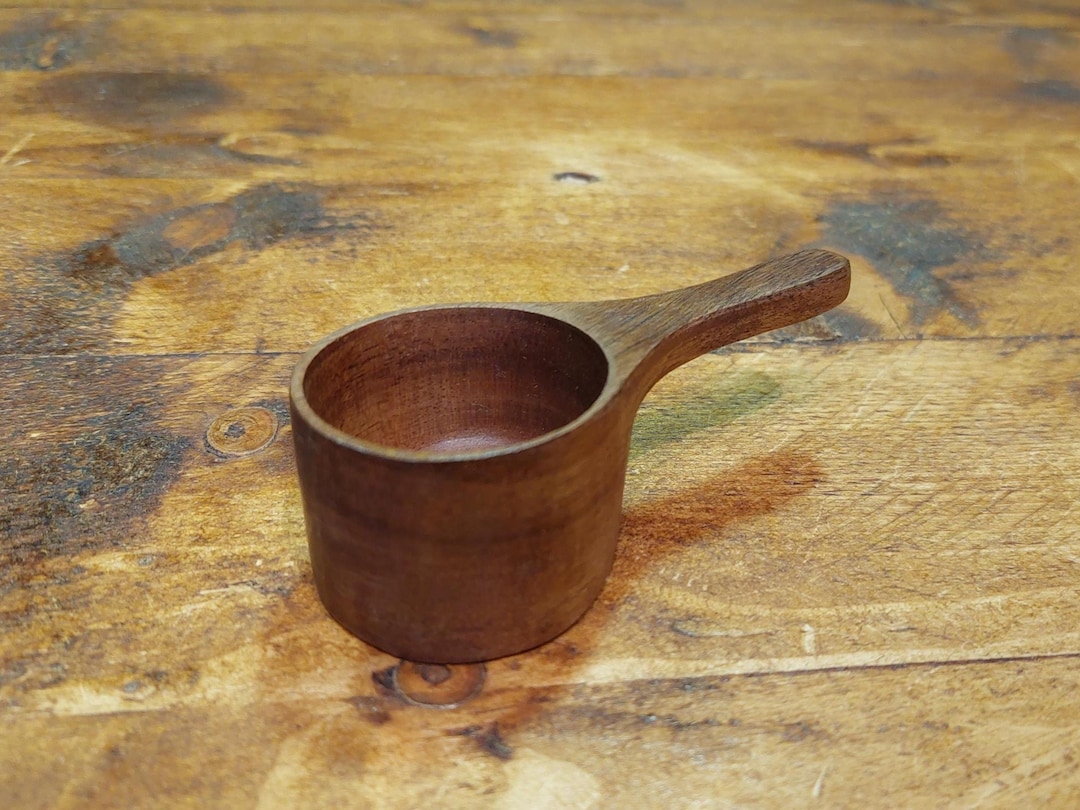


Blend:
1 scoop high-quality plant or whey protein
1 scoop collagen peptides
1 cup unsweetened almond milk
½ frozen banana
1 handful spinach (natural magnesium source)
1 tbsp almond butter (healthy fats for absorption)
Optional: chia seeds (calcium + omega-3)
This delivers:
Complete amino acids
Bone matrix support
Magnesium + plant-based micronutrients
Healthy fats to aid vitamin D absorption
Pair this with a quality vitamin D3 + K2 supplement and a clean calcium/magnesium formula as needed.
Strategic Supplement Timing
Morning:
Protein + collagen smoothie
Vitamin D3 + K2 (with fats)
Evening:
Magnesium (supports recovery and sleep)
Hydration and resistance exercise amplify the benefits.
The Long-Term Strategy
Bone density protection is not a 30-day plan. It’s a lifelong commitment.
The formula is simple:
Resistance + Protein + Minerals + Hormonal balance + Consistency
Start early. Stay consistent. Protect your foundation.
Strong bones are not accidental — they are built.
Final Thought
Your skeletal system is your structural capital. Protecting it means protecting your independence, strength, and long-term quality of life.
If you’d like, I can also create:
A printable one-page bone health routine sheet
A LinkedIn leadership adaptation (foundation as strategy metaphor)
Hashtags
#BoneHealth
#BoneDensity
#HealthyAging
#OsteoporosisPrevention
#StrengthTraining
#ProteinNutrition
#CollagenSupport
#VitaminD3
#Magnesium
#LongevityLifestyle
#ActiveAfter40
#MediaEclat
#WellnessStrategy

%20(2)%20(1).png)


%20(2).png)


Comments