


Why Qi Gong tops tai chi for beginners who hate hard workouts


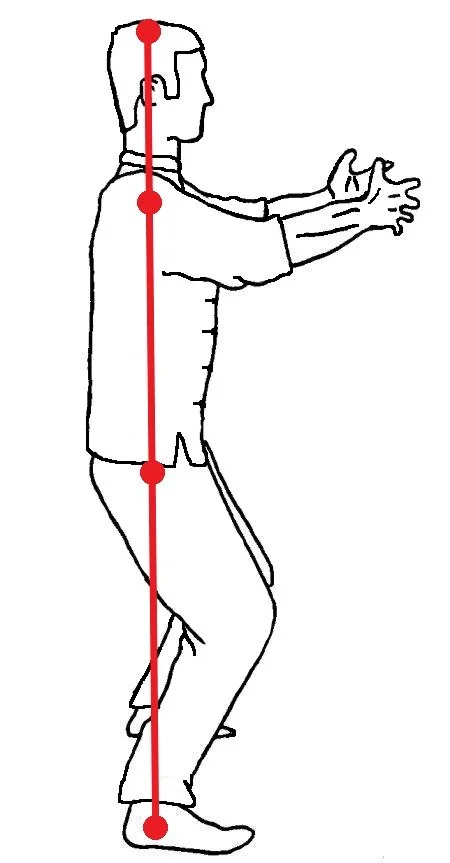

Why Qi Gong Tops Tai Chi for Beginners Who Hate Hard Workouts
By MediaEclat
Let’s be honest—not everyone wants to sweat, strain, or suffer to improve their health. Many people want calm energy, better focus, and a body that feels lighter, not punished. If that sounds like you, Qi Gong quietly outperforms Tai Chi for beginners, especially those who dislike intense workouts.
At MediaEclat, we focus on sustainable self-improvement, not burnout. Qi Gong fits that philosophy perfectly.
What Is Qi Gong (and why it matters)?
Qi Gong is an ancient Chinese practice focused on cultivating life energy (Qi) through gentle movement, breath, and intention. It was designed for healing, longevity, and balance, not athletic competition.
Tai Chi evolved later as a martial art expression of similar principles—but that distinction matters for beginners.
1. Qi Gong is beginner-friendly by design
Qi Gong movements are:
simple
repetitive
easy to follow
You can learn a full routine in minutes, not weeks. Tai Chi often requires memorizing long forms, which can feel intimidating or frustrating early on.
Qi Gong welcomes beginners immediately. Tai Chi often asks you to “stick with it.”
2. No gym mindset required
Qi Gong doesn’t demand:
flexibility
strength
endurance
perfect balance
You can practice standing, seated, or even lying down. This makes it ideal for older adults, busy professionals, or anyone recovering from stress or injury.
Tai Chi, while slow, still challenges:
leg strength
posture
coordination
Qi Gong works with your body—not against it.
3. Less movement, greater internal results
Qi Gong focuses on:
breath regulation
nervous system calm
internal energy flow
Beginners often report:
reduced stress
clearer thinking
improved sleep
subtle but real energy boosts
Tai Chi builds power over time—but Qi Gong delivers immediate feedback.
4. Faster stress relief in a fast world
In today’s always-on culture, most people aren’t lacking exercise—they’re lacking regulation.
Qi Gong directly supports:
emotional grounding
mental clarity
That’s why Qi Gong is increasingly used in:
wellness programs
corporate stress management
aging and rehabilitation settings
5. No ego, no performance pressure
Qi Gong has no belts, rankings, or competitions. There’s nothing to “win.” The practice is inward, personal, and restorative.
That makes it perfect for people who say:
“I don’t like exercise—I just want to feel better.”
Qi Gong and the MediaEclat philosophy
At MediaEclat, we believe growth happens through small, consistent actions, not extremes. Qi Gong aligns with that principle—and with timeless wisdom found in traditions like the I Ching, where subtle energy and right timing matter more than force.
Qi Gong teaches:
consistency over intensity
awareness over strain
alignment over effort
Final takeaway
If Tai Chi is a long-term discipline, Qi Gong is a daily reset.
For beginners—especially those who hate hard workouts—Qi Gong isn’t just easier.
It’s more practical, more accessible, and more sustainable.
And in a world running on stress, that makes all the difference.


%20(2).png)


Comments