


National Institute on Aging
National Institute on Aging: Healthy Aging Habits + Senior Strength Training Starter Plan
MediaEclat | Longevity Strategy • Functional Fitness • Active Living
Meta Description:
What does the National Institute on Aging recommend for healthy aging? Discover expert-backed habits, cognitive protection strategies, and a senior-focused strength training starter plan to maintain independence and vitality.
National Institute on Aging: What It Means for Your Health


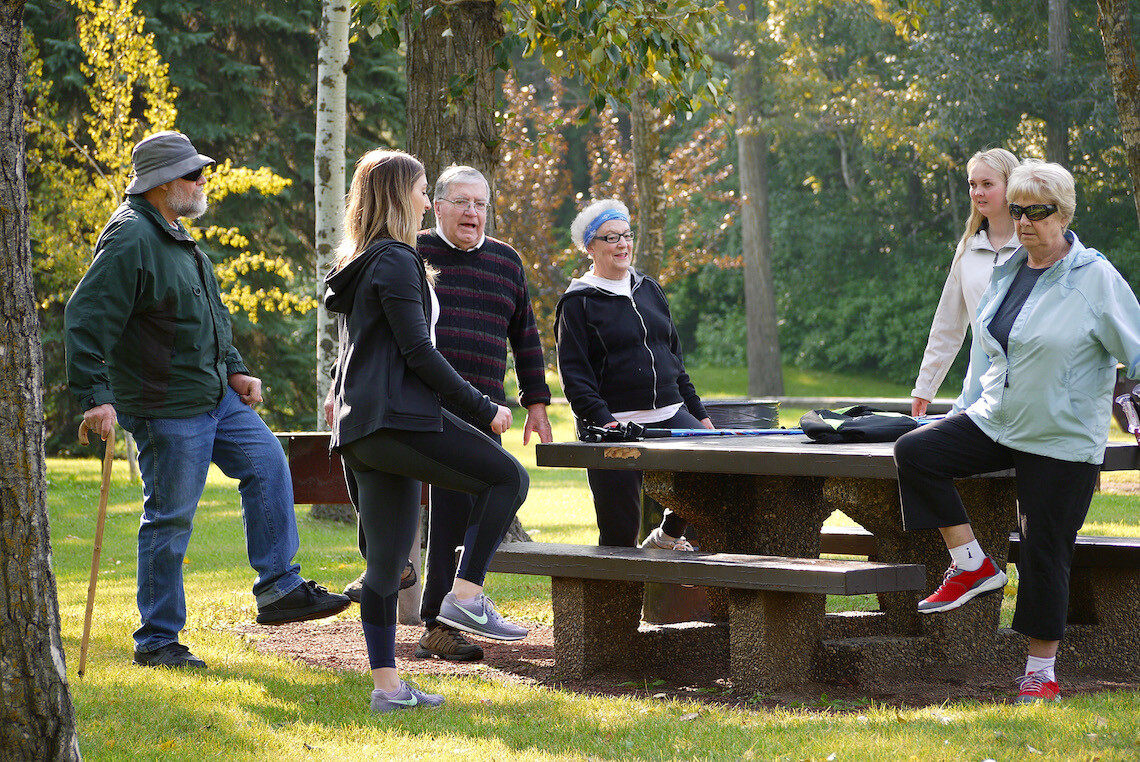
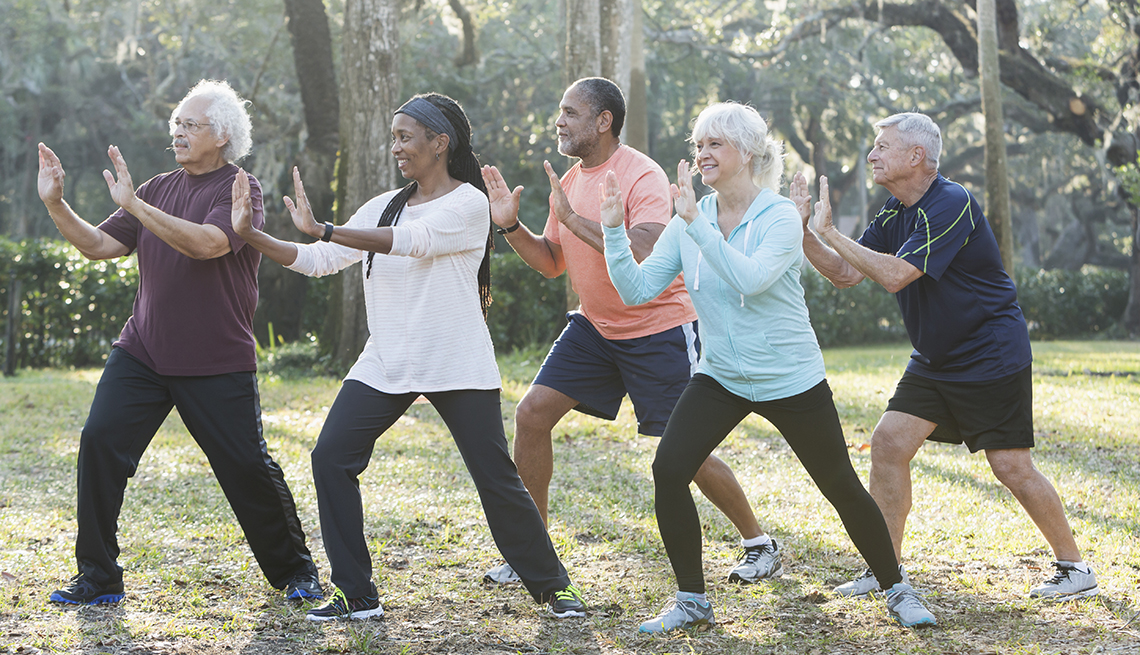
The National Institute on Aging (NIA), part of the NIH, leads research on aging, Alzheimer’s disease, mobility decline, and strategies for extending healthspan — not just lifespan.
Their research consistently highlights one truth:
Healthy aging is driven by movement, strength, cognitive engagement, and prevention.
Let’s break down the most searched questions and translate them into a practical MediaEclat action plan.
What Is the Number One Exercise for Aging?
If you had to choose one: strength training.
Why?
Prevents muscle loss (sarcopenia)
Improves bone density
Supports metabolism
Enhances balance
Reduces fall risk
Protects joint stability
Walking is powerful. Stretching is helpful. But strength training preserves independence.
What Helps Cognitive Decline?
Cognitive protection is lifestyle-driven. Research supports:
Regular physical activity
Managing blood pressure & glucose
Social interaction
Mental stimulation
Quality sleep
Brain health mirrors cardiovascular health. What protects your heart often protects your mind.
What Is the #1 Habit for Healthy Aging?
Daily movement.
Not occasional workouts. Not short-term programs.
Daily movement regulates inflammation, supports circulation, improves mood, and maintains joint function.
Consistency > intensity.
Senior-Focused Strength Training Starter Plan


This plan is beginner-friendly and can be done at home.
Frequency
2–3 days per week (non-consecutive days)
Warm-Up (5 Minutes)
March in place (1 minute)
Arm circles (30 seconds each direction)
Gentle hip rotations
Core Strength Routine
Perform 2 sets of 8–12 reps each:
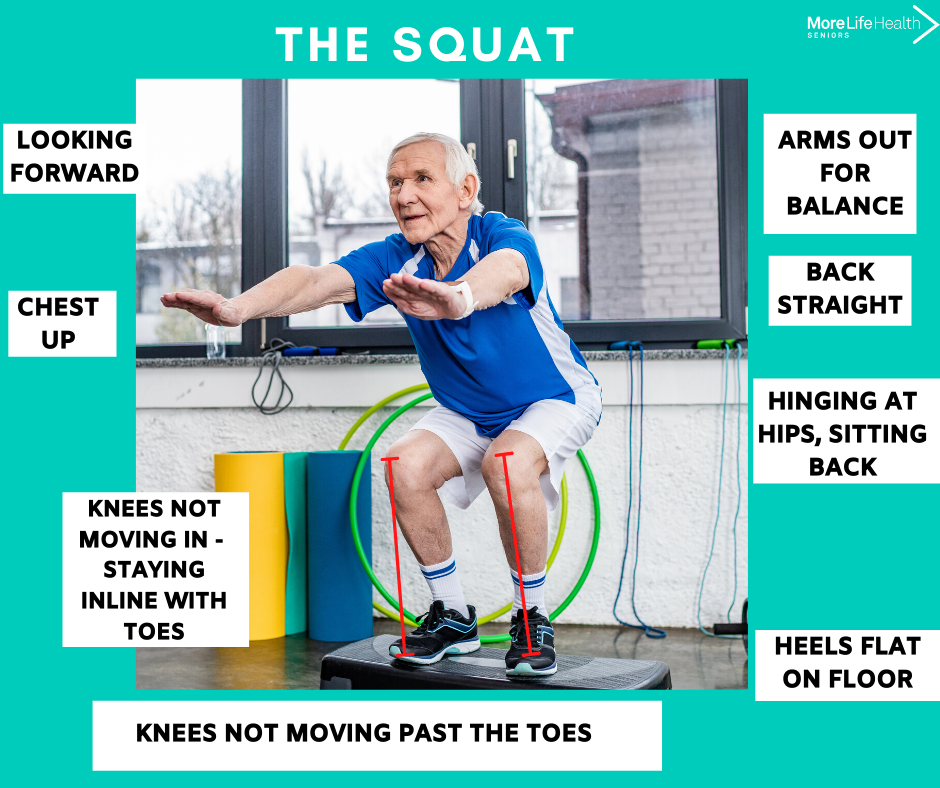
1. Chair Squats
Strengthens legs and improves sitting/standing independence.
2. Wall or Counter Push-Ups
Builds upper body and core stability.
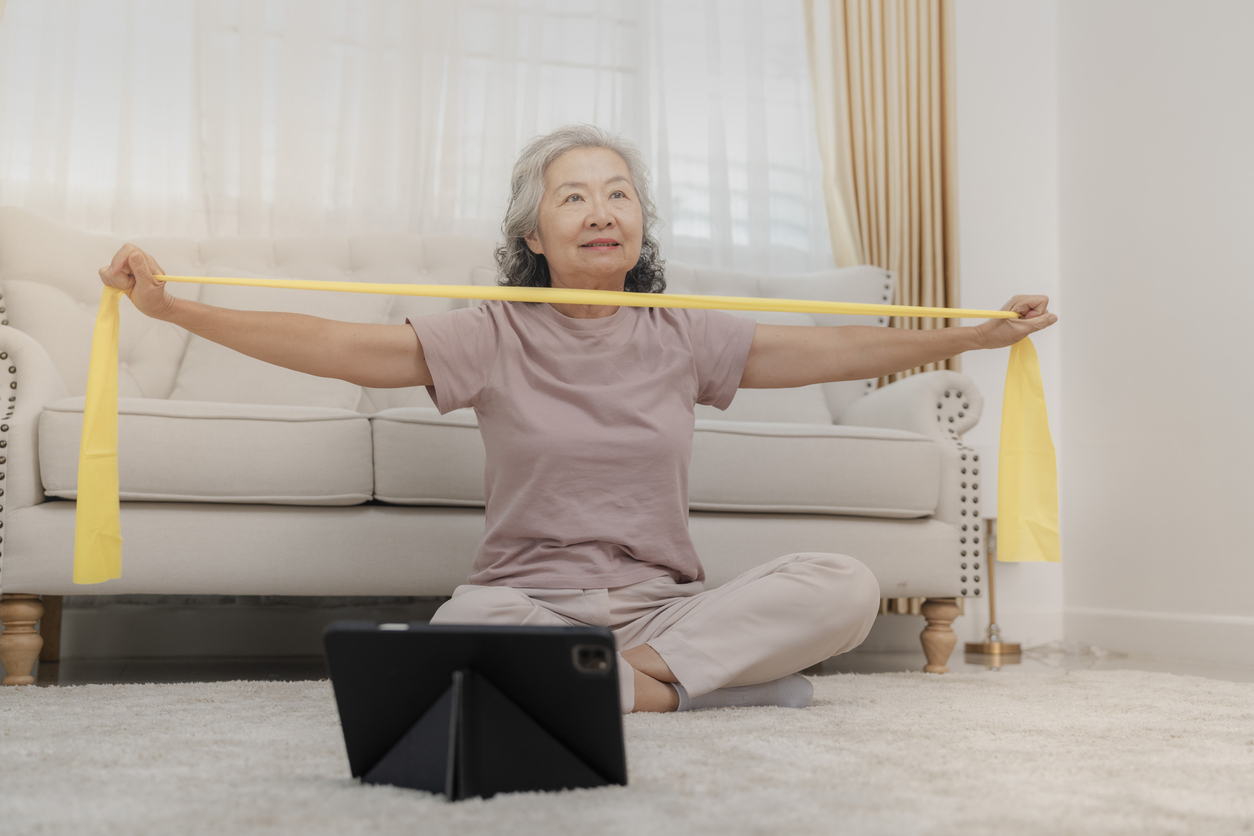
3. Resistance Band Rows
Supports posture and shoulder health.
4. Seated Dumbbell Shoulder Press (Light Weight)
Enhances upper-body strength and bone density.
5. Standing Calf Raises
Improves circulation and ankle stability.
Balance Finisher (2–3 Minutes)
Single-leg stand (hold 10–20 seconds each side)
Heel-to-toe walking
Side steps
Balance training reduces fall risk significantly.
Weekly Structure Example
Monday: Strength
Tuesday: 20–30 min walk
Wednesday: Mobility + stretch
Thursday: Strength
Friday: Walk
Weekend: Social activity + light movement
Simple. Sustainable. Powerful.
Healthy Aging Framework (MediaEclat Model)
| Pillar | Action |
|---|---|
| Strength | Lift 2–3x weekly |
| Cardio | Walk daily |
| Brain | Learn & read weekly |
| Nutrition | Protein + plants |
| Sleep | 7–8 hours |
| Social | Stay engaged |
Healthy aging is multidimensional.
How to Age Well Physically
Aging well physically requires protecting:
Muscle mass
Bone density
Joint mobility
Cardiovascular endurance
Metabolic flexibility
The earlier you start, the greater the return — but it’s never too late.
Final Thought
The research is clear. The strategy is simple.
Strength preserves independence.
Movement protects cognition.
Connection sustains vitality.
Healthy aging is proactive leadership over your future self.
Hashtags
#HealthyAging #NationalInstituteOnAging #SeniorFitness #StrengthTrainingOver50 #ActiveAging #LongevityLifestyle #FallPrevention #MuscleHealth #BrainHealth #MobilityMatters #FunctionalFitness #MediaEclat #AgingWell #WellnessLeadership


%20(2).png)


Comments