


Real stories: Homes that stayed powered through storms thanks to solar energy
Storm-Proof Living: How Solar Homes Keep the Lights On During Hurricanes
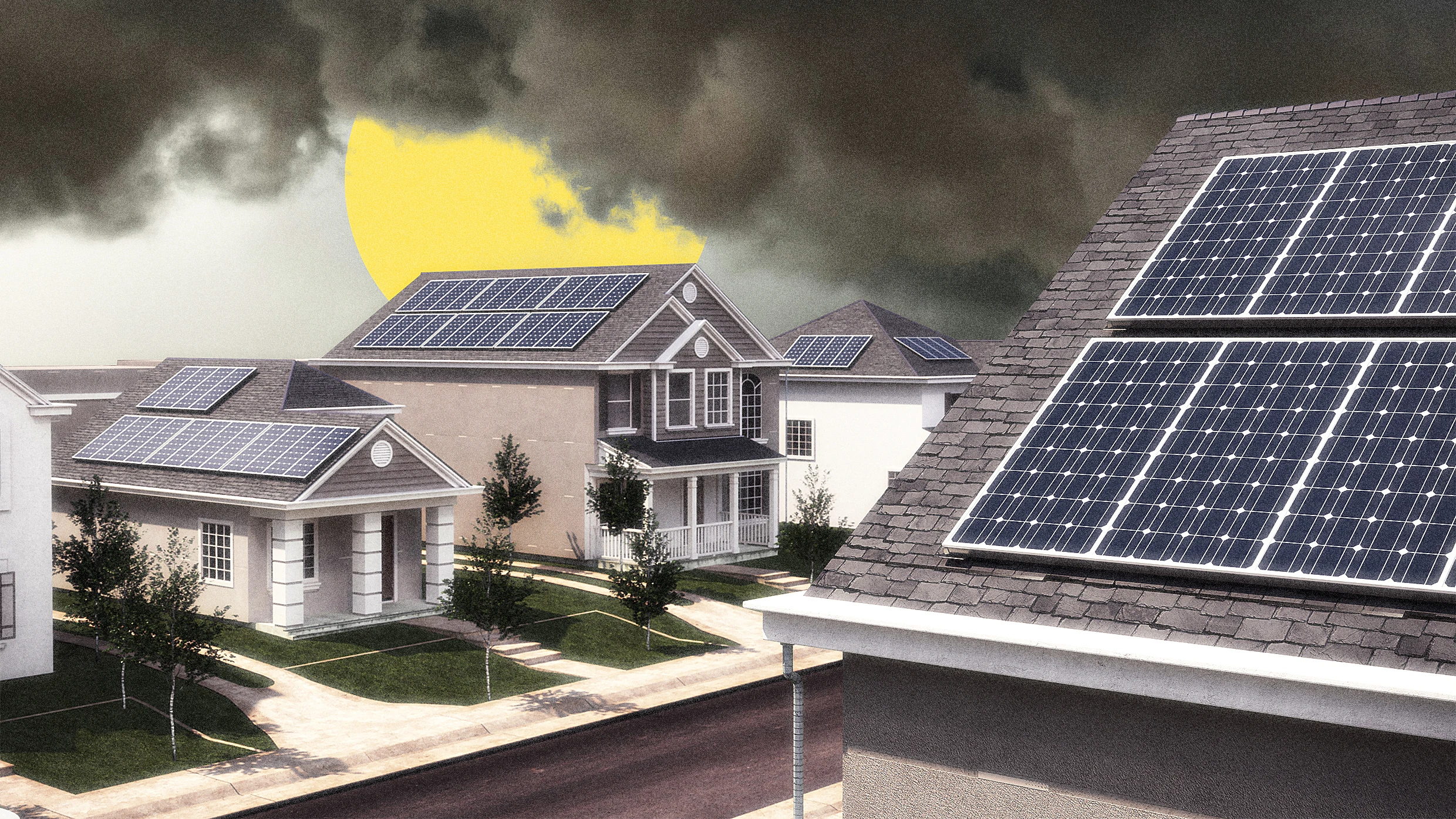
As hurricane seasons grow more intense, homeowners across Florida and other coastal regions are searching for ways to keep their homes safe and functional during severe storms. One solution gaining attention is solar energy paired with battery storage.
While traditional power grids often fail during hurricanes, solar-powered homes with backup batteries can continue operating—even when surrounding neighborhoods go dark. This growing trend is part of a larger movement toward storm-resilient living, where energy independence and durable home construction help families weather the storm.
Why Solar Power Can Keep the Lights On During Hurricanes
Most homes depend entirely on centralized power plants and long-distance transmission lines. During hurricanes, these systems are vulnerable to:
Downed power poles
Flooded substations
Damaged transmission lines
When these fail, entire regions can lose power for days or even weeks.
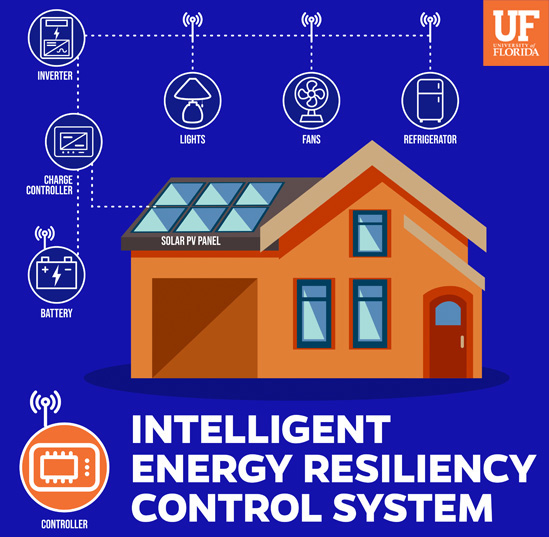
Solar systems with battery backup work differently. During daylight hours, solar panels generate electricity directly from sunlight. The excess energy charges a battery storage system, which can power essential appliances at night or during outages.
Typical critical loads supported by a solar battery system include:
Refrigerators and freezers
Lights
Internet routers
Medical equipment
Phone charging
Small appliances
For many households, this means basic life continues normally even during grid failures.
Real Example: Florida’s Solar-Powered Resilient Community
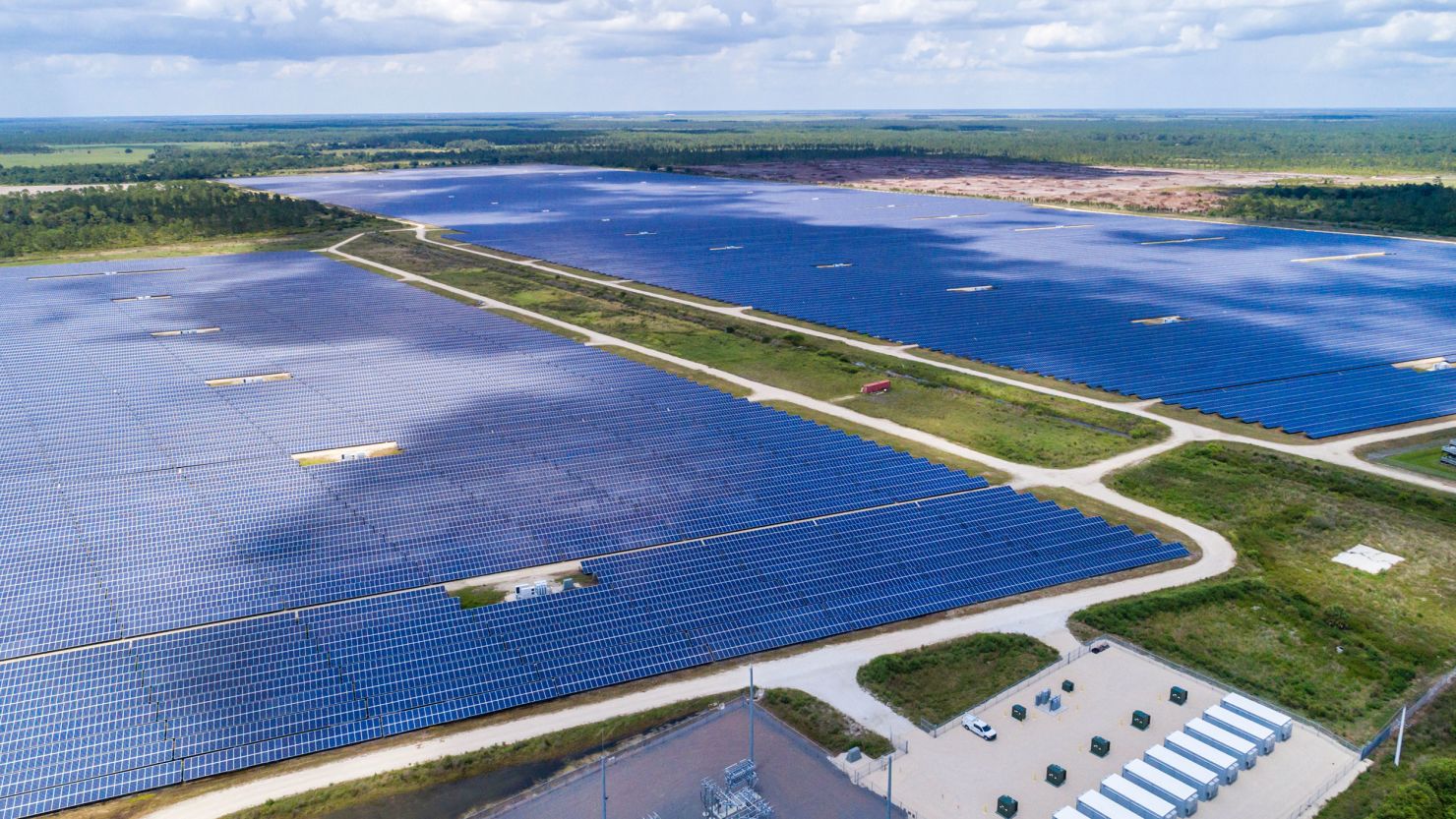
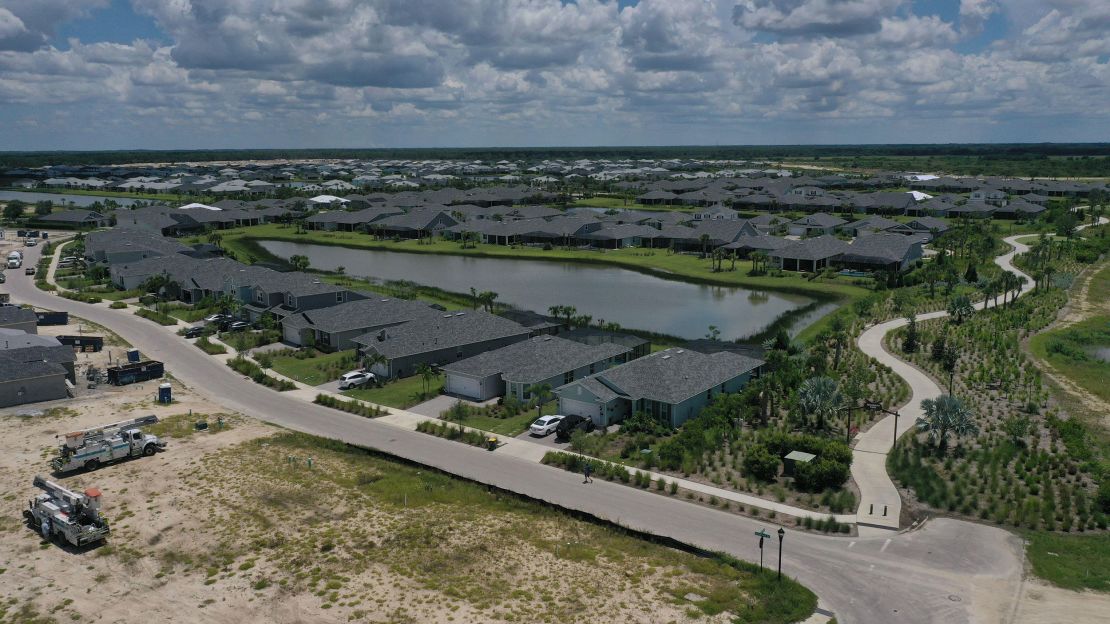
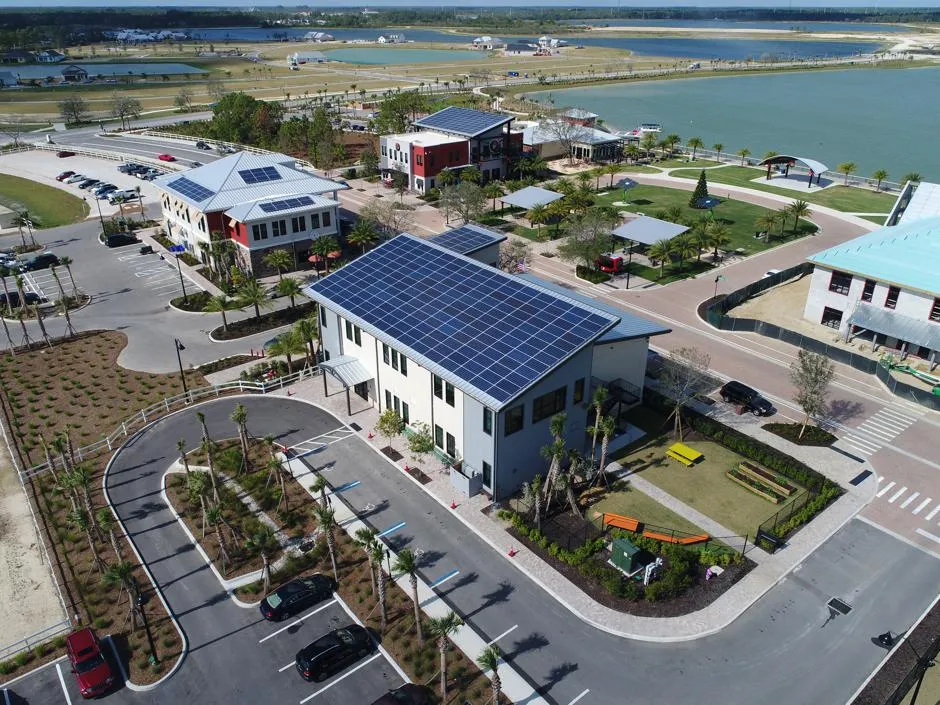
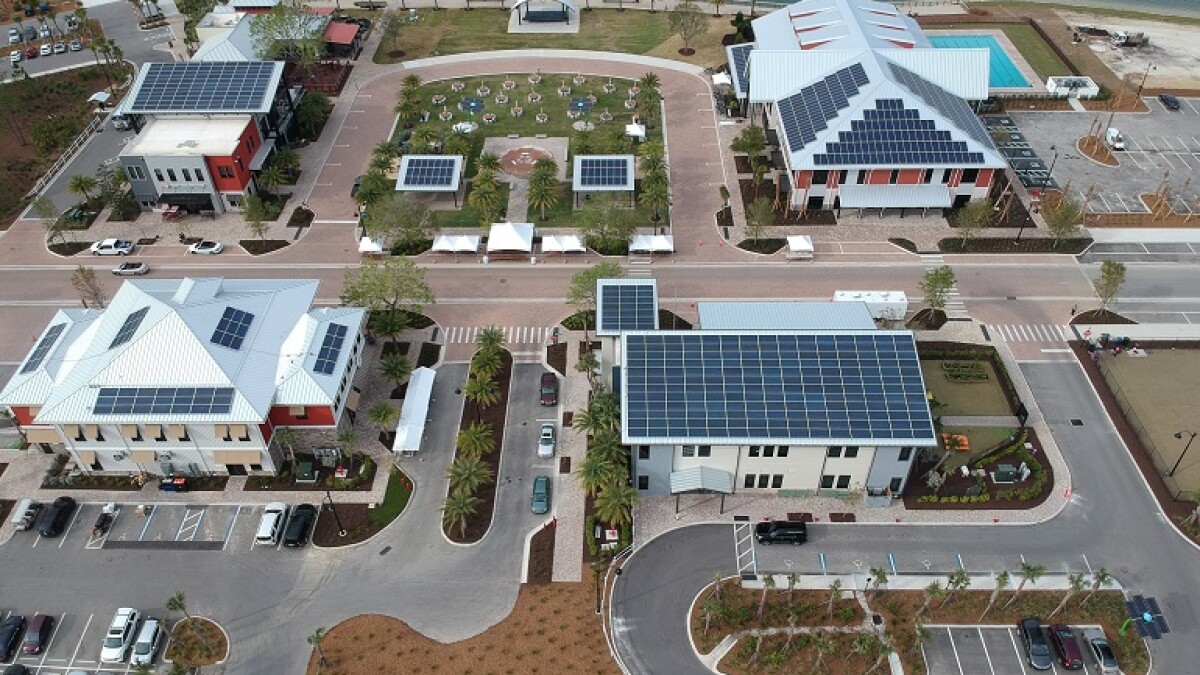
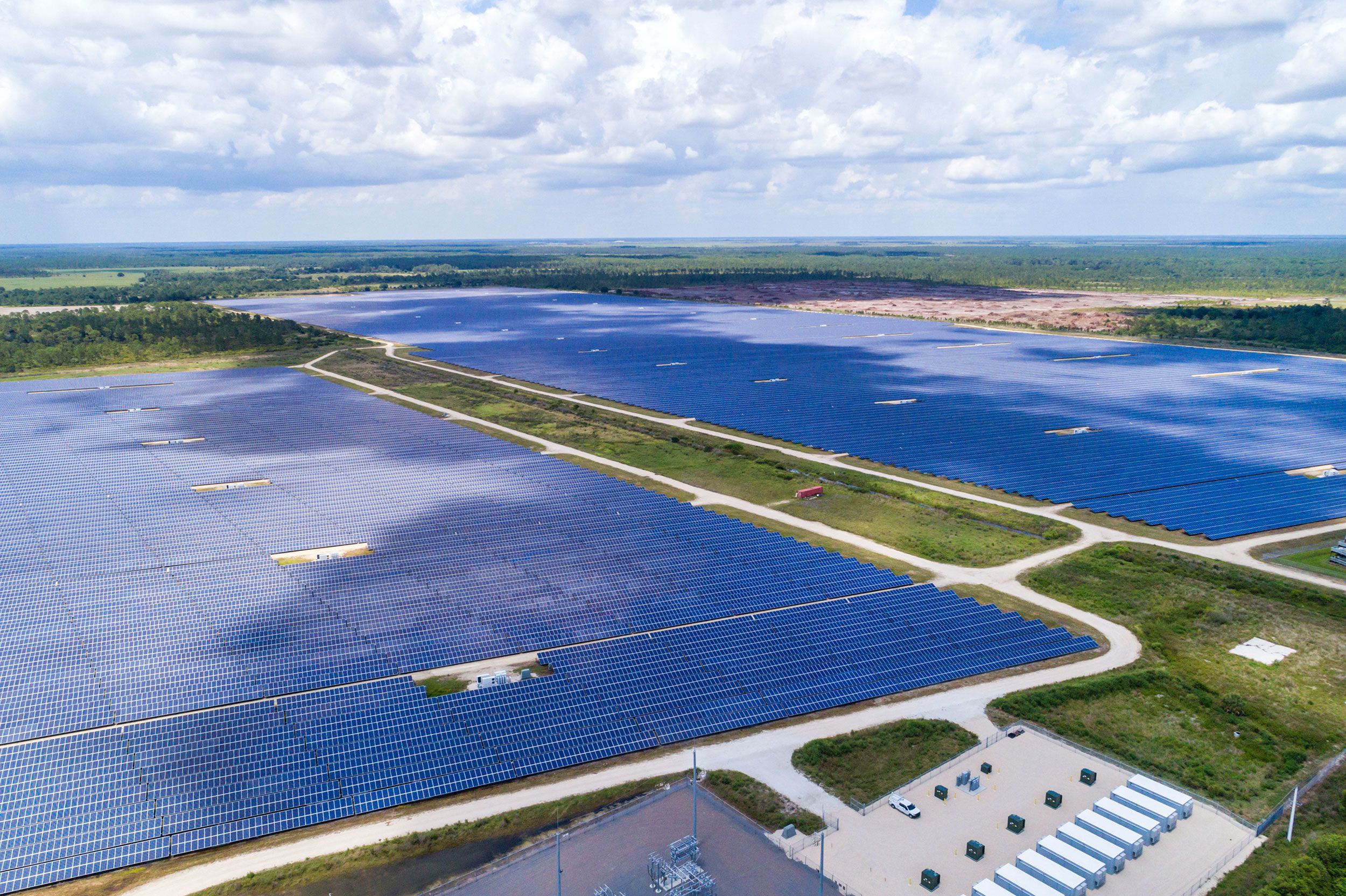
One of the most famous real-world examples is Babcock Ranch, a planned community in southwest Florida.
Built with resilience in mind, the town runs on a massive solar farm and incorporates several hurricane-resistant features:
Underground power lines
Elevated construction above flood zones
Retention lakes for water management
Buildings designed for high-wind resistance
When Hurricane Ian struck Florida, nearby communities lost electricity for extended periods. Babcock Ranch, however, maintained power, internet, and water services throughout much of the storm.
The event became a widely cited example of how solar infrastructure combined with smart urban design can protect communities during disasters.
Can Homes Be Built to Survive Category-5 Hurricanes?
Solar power is only one piece of the resilience puzzle. Strong building design is equally important.
Modern hurricane-resistant homes often include:
Reinforced concrete or insulated concrete forms (ICF)
Steel rebar reinforcement in walls and foundations
Impact-rated hurricane windows and doors
Roof-to-wall hurricane straps
Aerodynamic roof designs to reduce wind lift
Some well-engineered structures can withstand winds approaching 200 mph, though flooding and storm surge remain the biggest threats in coastal areas.
The Biggest Downside to Solar Energy
Despite its benefits, solar power does have limitations.
The most significant challenge is intermittency. Solar panels only produce electricity when sunlight is available. Cloud cover and nighttime reduce generation.
For this reason, resilient systems usually include:
Battery storage
A grid connection for backup
The upfront installation cost can also be significant, although tax incentives and falling equipment prices have made solar more affordable in recent years.
Why Some Homeowners Remove Solar Panels
Although solar adoption continues to grow, some homeowners decide to remove their systems. The most common reasons include:
Solar leases that complicate home sales
Roof replacement requirements
Poor installations from inexperienced contractors
Lack of battery storage during outages
These issues are usually related to financing or installation quality, not the solar technology itself.
The Future of Storm-Resilient Homes
As climate risks increase, experts expect more homes to combine several protective strategies:
Solar power generation
Battery storage systems
Underground utilities
Elevated building design
Reinforced construction materials
Together, these elements create a new model for energy-independent, storm-resilient living.
For homeowners in hurricane-prone regions like Florida, the goal is simple: when the storm passes, the lights stay on and life continues.
Conclusion
Solar energy is no longer just an environmental choice—it is becoming a practical strategy for disaster preparedness. Communities like Babcock Ranch demonstrate that combining renewable power with smart design can create neighborhoods capable of withstanding severe weather while maintaining essential services.
As technology improves and adoption grows, storm-proof living may soon become the standard for coastal communities around the world.
Meta Description
Solar-powered homes with battery backup can keep the lights on during hurricanes. Learn how resilient communities like Babcock Ranch use solar energy and smart design to withstand storms.
Hashtags
#SolarEnergy #HurricanePreparedness #StormProofLiving #ResilientHomes #FloridaLiving #CleanEnergy #EnergyIndependence #SolarPower #SustainableLiving #MediaEclat


%20(2).png)


Comments