


Luke 16:13 — What does it mean?
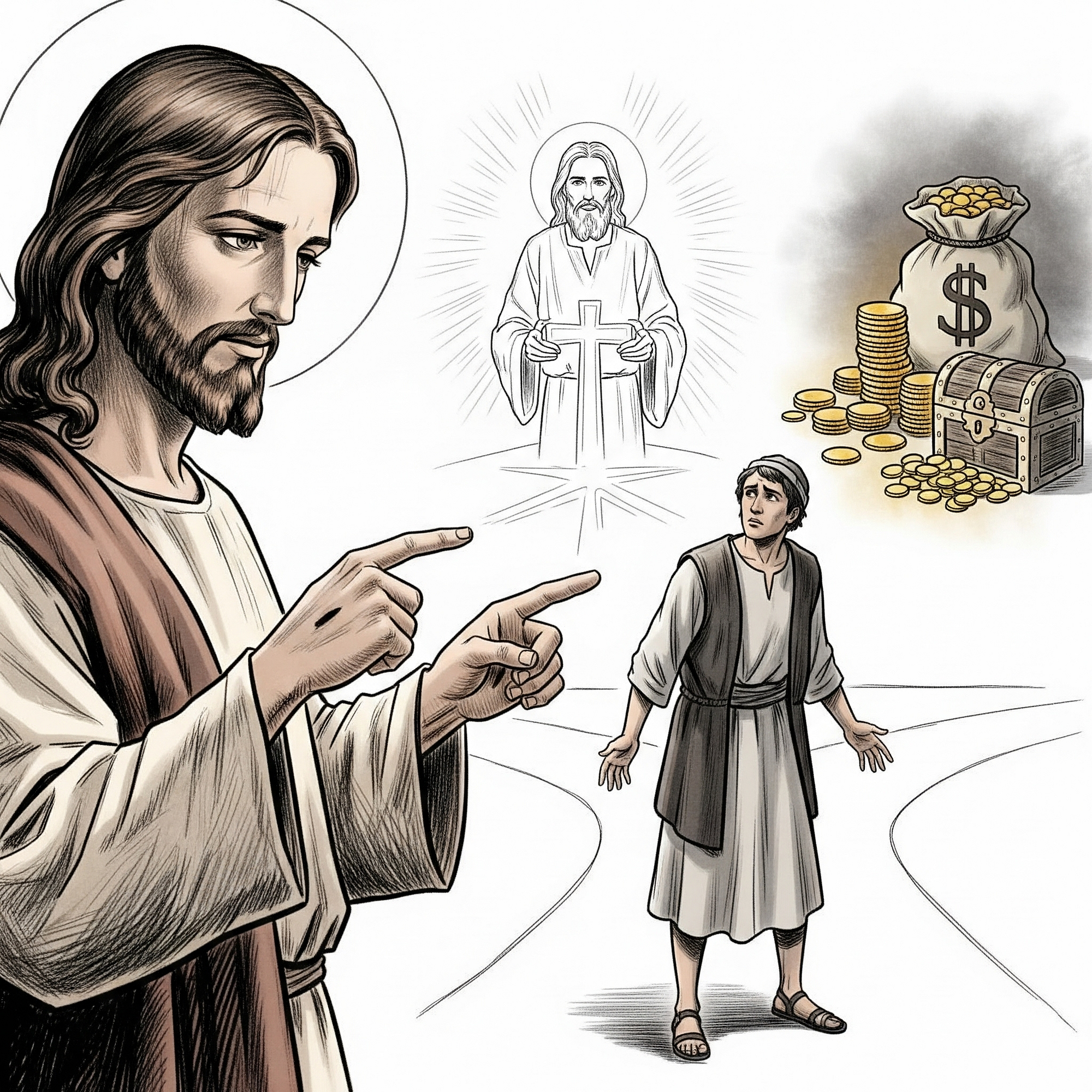
Image from<We Can’t Serve Two Masters. The meaning of Luke 16:1–8: The Parable… | by Joseph Serwach | Koinonia | Medium>
Luke 16:13 — What does it mean?
"No servant can serve two masters: for either he will hate the one, and love the other; or else he will hold to the one, and despise the other. Ye cannot serve God and mammon."
In context, Jesus is teaching about loyalty and priorities. "Mammon" refers to wealth, possessions, or material gain when they become an object of trust and devotion. Jesus is not condemning money itself; rather, He warns that a person cannot make both God and wealth the ultimate master of life.
Key lessons:
God must come first in our decisions and values.
Wealth is a tool, not a master.
Divided loyalty eventually creates conflict.
True discipleship requires choosing whom we will serve.
This teaching remains relevant in business, leadership, and daily life. Success is not measured merely by accumulation but by faithful stewardship and integrity.
What generation will not pass away?
Jesus said:
"Verily I say unto you, This generation shall not pass, till all be fulfilled." (Luke 21:32)
This statement has been interpreted several ways:
The generation alive during the destruction of Jerusalem (A.D. 70) – Many scholars believe Jesus was referring to the events leading to the fall of Jerusalem, which occurred within the lifetime of many who heard Him speak.
The generation that sees the end-time signs – Others understand "generation" to mean the people who witness the final prophetic signs before Christ's return.
The Jewish people or race – Some interpret the Greek word genea as referring to a people group, meaning Israel would continue to exist until God's prophetic plan is completed.
Regardless of the interpretation, the central message is that God's word will certainly come to pass.
"Can you drink the cup I drink or be baptized with the baptism I am baptized with?"
This comes from Mark 10:38 when Jesus spoke to James the Apostle and John the Apostle.
The "cup" symbolizes suffering and sacrifice. The "baptism" symbolizes being overwhelmed by the trials and suffering that Jesus would endure, culminating in His crucifixion.
Jesus was asking whether they were willing to follow Him even if it meant hardship.
Their answer was "We can."
Jesus replied that they indeed would share in suffering:
James became the first apostle martyred (Acts 12:2).
John endured persecution and exile.
The lesson for believers is that following Christ involves both blessings and sacrifice.
What did Jesus say was true religion?
Jesus emphasized that genuine faith is demonstrated through love, obedience, mercy, and care for others.
Some key teachings include:
Love God with all your heart (Matthew 22:37).
Love your neighbor as yourself (Matthew 22:39).
Show mercy rather than merely perform religious rituals (Matthew 9:13).
Care for the poor, hungry, sick, and imprisoned (Matthew 25:35–40).
Practice faith sincerely rather than for public recognition (Matthew 6:1–6).
A closely related statement is found in the Epistle of James:
"Pure religion and undefiled before God and the Father is this, To visit the fatherless and widows in their affliction, and to keep himself unspotted from the world." (James 1:27)
In summary, true religion according to Jesus is not merely external observance but a transformed heart expressed through love for God, love for others, humility, obedience, and compassion. As He taught:
"By this shall all men know that ye are my disciples, if ye have love one to another." (John 13:35)
Another one from Reverend James.


%20(2).png)


Comments